Extreme museums: Managing heritage at the end of the Earth
Antarctica is a land of superlatives: the highest, driest, coldest, and windiest continent on Earth. It is a polar desert where ice has spent 45 million years growing to its current thickness, now holding 90% of the world’s ice and 70% of its fresh water. To most, it is a white wilderness, out of sight and out of mind. Yet, scattered along the Antarctic Peninsula are fragile echoes of human endeavour, historic monuments that are not the usual posting for most museum staff. At UK Antarctic Heritage Trust (UKAHT), our mission is to ensure these sites aren’t lost to the very environment that witnessed their beginnings, preserving them for future generations, and sharing their stories across the world.
A heritage at the mercy of the elements
Preserving history 9,000 miles away is an exercise in extreme logistics. Each year, our dedicated Antarctic team travels from the UK to the tip of Argentina before crossing the notorious Drakes Passage by ship to reach these remote outposts. Their supplies, from beans to bolts, are shipped months in advance and they often live and work in very basic conditions.
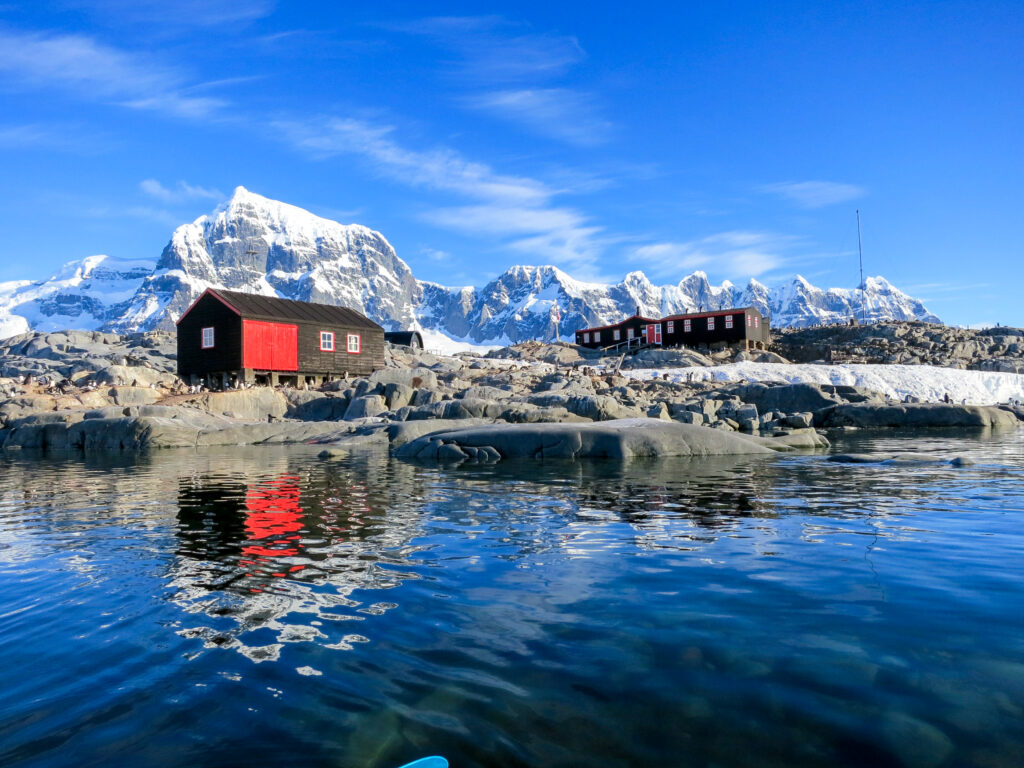
The challenge is immense. Many of our bases, like Base A, Port Lockroy or Base E, Stonington Island, were not built to last the eighty years they have to date. Constructed from prefab timber sections or scavenged materials such as packing crates, they were intended as short term shelters for scientists and explorers. Now, they face a new, more
insidious threat: climate change. As Antarctica warms, it is becoming wetter and wooden structures that stood for decades in the dry cold are now battling dampness and mould making our conservation work more urgent than ever.
Not your average museum
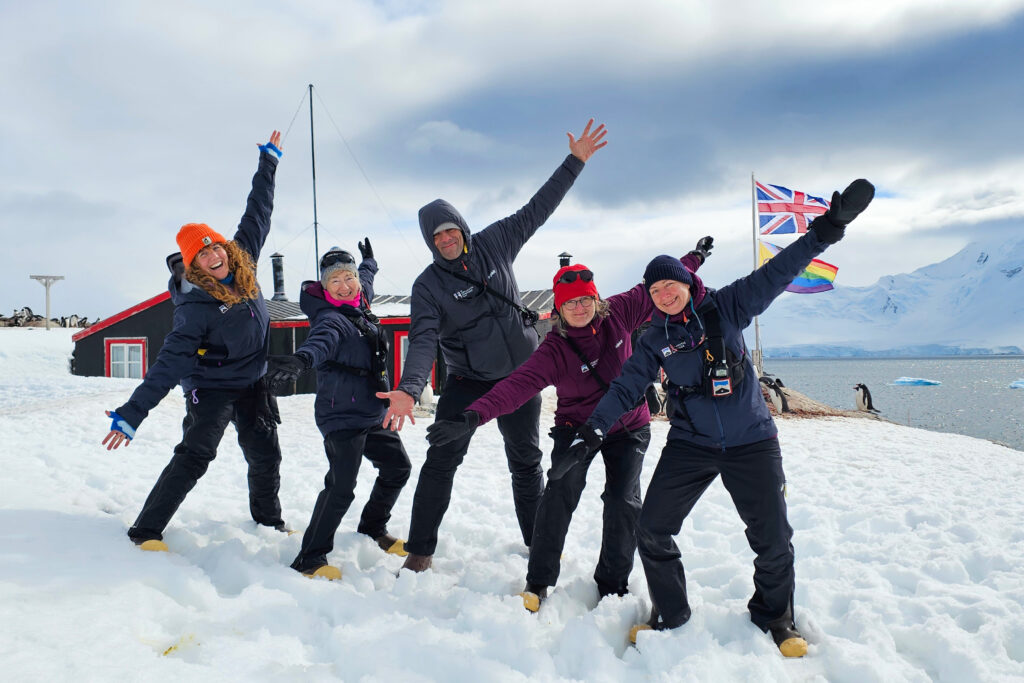
Our flagship site, Base A, Port Lockroy, sits on Goudier Island, a tiny rock the size of a football pitch. Here, our seasonal team manages the world’s southernmost post office as well as a museum in Bransfield House, a fascinating time capsule of life on Base. While they man the “Penguin Post Office” and monitor the resident Gentoo penguin colony, they are also living the heritage they protect, dwelling in the same isolation as the pioneers of the 1940s. Bridging the clandestine beginnings of Operation Tabarin with pioneering climate research, these sites serve as vital portals to the Antarctic. They offer a unique window into history, where the lived experiences of a few reveal stories with a universal resonance.
Resting nearly 3,000 metres below the icy surface of the Weddell Sea, the shipwreck of Sir Ernest Shackleton’s Endurance remains a haunting symbol of the Heroic Age and the sheer limits of human fortitude. Lost in 1915 after being crushed by pack ice, its discovery 107 years later has presented a conservation challenge unlike any other we face.
Because it lies beneath the sea ice, traditional heritage conservation methods are simply not applicable. Instead, protecting Endurance is about diplomacy and international cooperation. We lead the development and maintenance of a vital Conservation Management Plan that transcends physical repairs, focusing on building strong partnerships across the 56 nations of the Antarctic Treaty. This collaborative approach ensures Endurance and its legendary story of human endeavour is protected by global agreement, continuing to inspire generations from the deep.
Bridging the gap
Because so few will ever set foot on this fragile landscape, we are working to bridge the 9,000-mile gap through immersive digital storytelling. We have used laser scans and oral testimonies to create Virtual Reality experiences, such as the trek from Stonington Island in A Frozen Night, allowing people to experience walking through history without leaving home. Our Voyage to Antarctica Podcast brings the voices of scientists and explorers directly to worldwide audiences, exploring why this icy wilderness matters to everyone. And through other activities such as school visits or our YouTube webinars, we engage schools and the public, interviewing those whose lives have been impacted by the continent. We are always looking for new ways to engage the public from pop up events in UK museums to creative writing competitions. Partnership work is vital to help us continue to boost the reach of our stories and their impact.
Antarctica matters
Antarctica is not just a relic of the past; it is the heartbeat of our planet’s future. The stories of survival, of dog sledging, crevasse rescues, and scientific breakthroughs, are a testament to human fortitude. But more importantly, they remind us of our responsibility. We aren’t just saving wood and metal; we are preserving the spirit of discovery and a vital record of our climate’s history as well as speaking to the perilous future of Earth’s ecosystems.
Those who support us are engaging in an act of guardianship for a continent that belongs to all of us. Whether through our podcast, our shop, or memberships, they are helping keep these distant but relevant stories alive and relevant.
Helen Langwick, Head of Programming and Engagement UK Antarctic Heritage Trust
Click here to visit the UKAHT website (opens in a new tab)