Charity Finance Group’s Policy and Communications Team explains why the most significant update to charity financial reporting in years is not just a job for your finance team.
As a leader of an independent museum, the phrase ‘Charities SORP’ may feel like something you can safely leave to your treasurer or finance manager to understand. That could be a mistake.
SORP 2026 – which came into force for accounting periods beginning on or after 1 January 2026 – is one of the most significant updates to charity financial reporting in years, and its implications reach well beyond those who work in accounts.
What’s changing and why does it matter?
Alongside Financial Reporting Standard 102 (FRS102), the Charities Statement of Recommended Practice (SORP) 2026 introduces substantive changes that not only have many technical aspects that finance professionals are now getting to grips with, but strategic, governance and communications dimensions too.
The introduction of a new tiered framework based on organisations’ annual gross income is one of the most talked about changes. It will affect the information you will be expected to disclose, so it’s important to know which tier your organisation falls into. For example, the tiering determines how (and if) you report on the scale of activities undertaken by your volunteers. It could also affect your sustainability reporting.
Alongside this significant change, two others also deserve attention. The first is lease accounting. In 2026, leases will move from the notes onto the balance sheet (although, as is often the case, there are exceptions!) You’ll need to recognise a right-of-use asset (the space or equipment you control) and a lease liability (the obligation to make future lease payments). And instead of a single, straight-line rent expense, lease costs will be split into depreciation of the right-of-use asset and interest on the lease liability.
Lease length directly affects the size of both assets and liabilities, so decisions about how strategically important a building is, or how costly it would be to exit, now have direct accounting consequences. This could mean that your balance sheet looks materially different (even if nothing about your situation has changed).
The next big change is income recognition. The new five-step model for recognising income from grants and contracts introduces important distinctions about when income should be recorded and may affect how multi-year grants from funders appear in the accounts.
How your museum structures grant agreements, manages funder relationships and plans its cash flow all intersect with how income is now recognised. These are not purely technical decisions – they involve the whole leadership team. Some charities may find they’ll need to be audited for the first time.
These are just a few examples of how SORP 2026 and FRS 102 could change how your museum prepares and presents its annual report and accounts – and what you might need to communicate with stakeholders. As trustees carry legal responsibility for the financial health and reporting of their charity, these conversations should ideally happen at board level, not just among finance experts.
Don’t panic – prepare now
CFG’s expert corporate partners have been fielding questions not just from trustees and executives, but from experienced charity finance professionals. So, if you are finding the new SORP complex or confusing, you’re not alone. The simplest, most common advice CFG can give is to start preparing now.
CFG’s Accounting Helpline is available free of charge to all CFG members, and CFG membership is free to you through our partnership with AIM. Our helplines offer confidential, practical support on all your charity finance related questions. We are also developing more dedicated SORP 2026 training sessions, so keep your eyes open for more on those. In the meantime, you’ll find several helpful SORP articles on our online knowledge hub.
Disclaimer: The information in this article is intended as general guidance only and does not constitute professional financial, legal or accounting advice. Every organisation is different, and we strongly recommend consulting a qualified, relevant professional to understand how your organisation could be affected by SORP 2026, FRS102 and related issues.
Other news
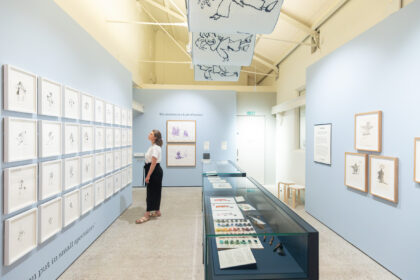
Quentin Blake Centre for Illustration now open
The Quentin Blake Centre for Illustration is now open, the world’s largest space dedicated to illustration.

Changing your culture
As part of a series of features looking at different ways in to the ‘Fragile to flourishing’ research, Colin Mulberg shares his initial reaction.
Governance: visionary or pragmatic?
As part of a series of features looking at different ways in to the ‘Fragile to flourishing’ research, Ben Tucker of AIM Gold sponsors Minerva shares their initial reflections.